Table of Content
But if there is a slow leak due to deteriorated or incorrectly installed chimney flashing, for example, any ensuing damage may not be covered by your policy. If you experience a leak because of a storm or flood, your contents insurance ortenants insurancepolicy should cover the costs of any damage caused to your belongings inside the property. However, the ‘wear and tear’ exclusion will once again apply – you won’t be covered for damage to your contents if the insurer deems the leak to be the result of inaction on your part.
Not only do they cause roof damage, but you can end up damaging your attic and any items you store in there. A leak will cause damage to the plaster and paint, light mounts, and fans. Let’s break down four common roof leakage scenarios and how your home insurance may respond in each. Once your deductible is subtracted, you could get little or nothing from your insurer if your repair costs the average amount.
Action Steps For Filing A Roof Claim With Your Insurance Company
If you schedule a free roof inspection today, we can likely be at your property the next business day to do the inspection. Spotting a roof leak as early as possible is critical for minimizing damage to your home and belongings. Since roofs are typically sloped, it's common for water to enter your home at one part of your roof, only to trickle down to another area where the leak becomes apparent. For example, if a storm knocks down a tree and it puts a hole in your roof, the repairs will likely be covered. If, however, years of weather have worn down your shingles and your roof springs a leak, you may have to take care of the damage yourself.

When you do, check to make sure the policy expiration date is sometime after the end of the work they’ll be doing on your home. Despite your best efforts, you can’t always prevent a roof from letting water leak into your home. This can be both annoying and destructive with items in your home getting damaged. Getting the problem taken care of as soon as possible is paramount to preventing further damage.
What Your Insurance Company Will Pay For
Generally, carriers pay claims when they determine that a tree has fallen due to an act of nature and not someone’s fault. Homes in some areas may need the additional protection of earthquake or flood insurance policies. Our team has a wealth of experience with a variety of roofing projects, ranging from small repairs to major tear-off and replacement projects. We have worked on complex roofing jobs across the country and are skilled at coordinating and scheduling these projects in a way that minimizes disruption to your operations.
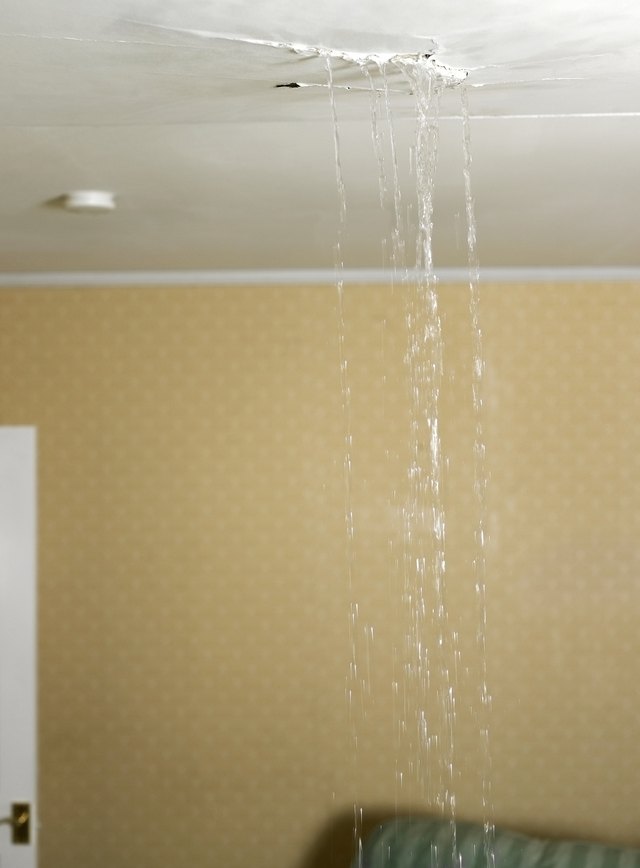
You will then have to pay to repair roof leak damage out of pocket. Most homeowners insurance policies offer coverage for damage from natural disasters such as storms, flooding, hurricanes, wind, fallen trees and fires. If one of these perils in Tampa caused your roof to leak, your insurance company will most likely accept your claim and offer payment to cover related property repairs. The same is true if a storm, flood or hurricane causes foundation damage, wall splintering, electrical problems, destroyed landscaping and other damages. Oftentimes, a standard homeowners policy will cover damages caused by roof leaks, but it will depend on what type of home insurance policy you carry and what caused the roof leak. Most homeowners insurance policies will require you to complete the repairs before fully reimbursing you.
Losses Caused by Downed Trees
Be sure to check for damage immediately after intense weather like storms, ice or hail. For minor repairs, the cost ranges from $150 – $400.1 Moderate repairs like fixing and sealing fixtures, replacing shingles and flashing can range from $400 – $1,200. Your insurer can also claim that the cause of the damage was from lack of maintenance or wear and tear, which would also leave you to foot the bill. Insurance companies base home insurance rates on several factors, including your home’s age and construction type, security features, and its proximity to a fire hydrant and fire station. Typically, newer homes cost less to insure because their heating, plumbing, roof, and wiring systems are in good condition. Whether an insurer pays a claim for damages caused by a fallen tree often depends on the condition of the tree.

For instance, suppose the faucet handles on your sink are leaking and you neglect to repair them. If you try to make an insurance claim when that happens, you could be denied. Your insurer would see that the problem had been going on for a long time and you didnt make the needed repairs. Contact us today and well have one of our roofing professionals conduct a full roof inspection and give you a free quote. Make sure to get a quote for any repairs because what may look like minor damage could turn out to be more costly. For example, if your entire roof needs replacement, the cost of the deductible could become a negligible expense.
It also helps to check the flashing, dormer valleys and boots – the rubber seals around electric and plumbing vent pipes, exhaust fan flashing and air vents. But many carriers offer standalone earthquake policies or earthquake riders. Homeowners living in areas prone to earthquakes, landslides, or land movements may need earthquake insurance. So, if a dead tree in your yard falls on your roof, the insurer may deny a claim.
Insurers are less likely to pay out if the damage is due to deterioration that’s happened over time. The key thing to keep in mind is that a flat roof requires more regular maintenance than a standard sloping roof. Maintain flat roofs – carry out regular inspections and maintenance. If the damage is beyond repair, or if the cost of a new roof would be less than repairing the damaged area, then your home insurance provider may cover the cost of a new roof. When talking about the most common homeowner’s insurance claims, roof damage is high up on the list. According to Forbes magazine, the cost of replacing your roof can range between $25,000 for a shingle roof replacement and more than $40,000 for a metal roof replacement.
A roof can be damaged by storms, fallen trees, vermin or poor maintenance. And whether your home insurance covers roof leaks and repairs really depends on the cause of the damage. Find out more about when home insurance does and does not cover roof leaks and get tips to help you spot and prevent a leaky roof.
Our mission is to provide readers with accurate and unbiased information, and we have editorial standards in place to ensure that happens. Our editors and reporters thoroughly fact-check editorial content to ensure the information you’re reading is accurate. We maintain a firewall between our advertisers and our editorial team. Our editorial team does not receive direct compensation from our advertisers. She has three years of experience writing for insurance websites such as Bankrate, MoneyGeek and The Simple Dollar. Mandy writes about auto, homeowners, renters, life insurance, disability and supplemental insurance products.
It's important to note that some home insurance policies exclude coverage for wind or hail damage. Check with your insurer to know what’s covered by your home insurance. There are different coverages for leaks caused by normal wear and tear called guaranteed replacement cost and actual cash value. Homeowners insurance will vary from policy to policy, even within one company.
Consequently, if the damage doesn’t exceed your deductible, it may not be in your best interest to file the claim. If the claim doesn’t result in a payout, your insurance provider may raise your home insurance rate. If you prefer to handle the situation on your own, consider contacting a roofing contractor to get their estimate for repairs.
For example, rain that drips in through a pre-existing hole is generally not a covered loss, because the insurance company would likely say you should have fixed the hole. Beyond homeowners insurance, you can work with a water damage restoration company and invest in a protection plan for your home. Are typically excluded from standard homeowners insurance policies, they are covered if they are the result of a covered incident. If mold grows in a naturally damp room, you won't be covered unless you've added an optional mold insurance endorsement to your policy.

Some incidents are specifically excluded from home insurance policies, so make sure to read the fine print when shopping around. Home insurance is a policy that protects you financially in the event of a disaster or accident involving your house. It typically covers natural disasters, such as hail, windstorms, lightning, and fire but also covers man-made damage from events such as theft, vandalism and rioting. When roofs leak, the water often damages the interior of the house and the furniture, appliances, systems, carpeting, and personal property inside.



No comments:
Post a Comment