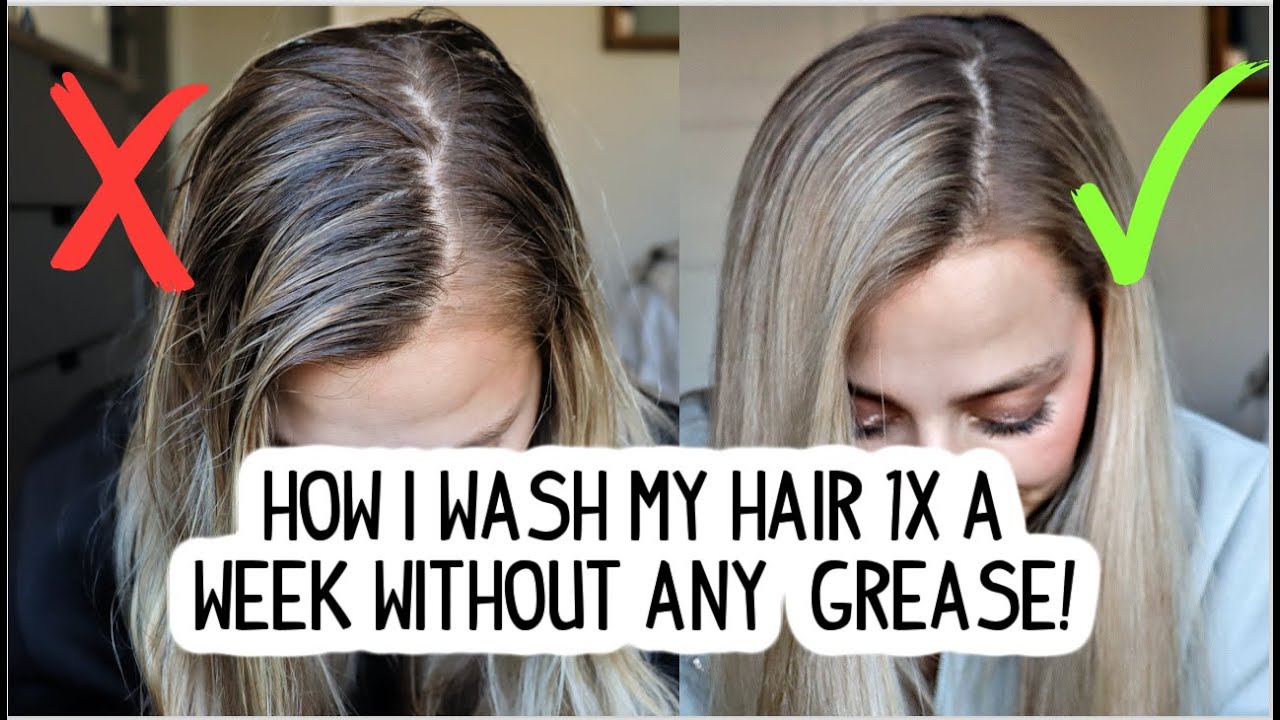
Shampooing daily sends your scalp a signal that the natural oil has been washed off and needs to produce more. Or you might be washing your hair with just water probably hot water, then this might be one of the reasons behind hair getting greasy in a day. Always take into account your hair and scalp type before picking up products. Whether you have a standard cotton pillowcase or have splurged for a silk option, you'll need to keep your pillowcase clean to keep your hair clean too.
Over-Applying Conditioner and Hair Masks
Also, when you use the right herbs, they keep oil production in check as well as add lustre, bounce and body to your hair. You will only make it more oily as more contact your hands have with your hair, the more oil is produced by the scalp. So when your hands begin to go up to your hair, remind it that it’s not a play tool. Get this squeeze ball to keep your hands busy and save your hair.
Sleeping on Cotton Pillowcase
Kenneth’s commitment to transparency, quality, and empowerment has positioned him as a trusted voice in the field, empowering readers to confidently embrace their natural beauty. You can use DIY remedies to treat oily hair in a gentle and cost-effective way. While there are many options available, the following are some of the most popular and effective at-home treatments.
Lifestyle tips

Now that you know why your hair gets greasy so fast, break the bad habits and adapt your hair care routine to fix your greasy hair woes. A boar bristle hairbrush can be a greasy-haired person’s best friend due to its unique properties that can help manage oily hair. The bristles of a boar bristle hairbrush are densely packed and naturally distribute the scalp’s oils evenly throughout the hair, making it a great tool for getting rid of oily roots. ACV has a low pH, which is closer to the pH of the scalp and hair. Washing hair with traditional shampoo can raise the hair’s pH to alkaline, which can lead to the overproduction of oil by the scalp.
You’re on your period
Using products not suited for your hair type or overusing styling products can leave residue that weighs hair down, contributing to a greasy appearance. However, factors like genetics, diet, hormonal changes, and incorrect hair care practices can lead to an overproduction of oil, making your hair feel greasy faster than you might expect. People with an oily scalp can have healthy hair or dry, brittle hair. Your hair needs oil to be healthy, but too much oil can lead to buildup on the hair and scalp.
"Not only is this amazing for your scalp circulation, but it is also a great way to de-stress and feel great," Marjan says. Camelia Smith can color hair, perform keratin treatments, bleach hair, and even cut curly hair. She is our go-to person whenever we have hair treatments and styling questions.
4 tips for managing oily hair in summer - ABC News
4 tips for managing oily hair in summer.
Posted: Mon, 04 Jan 2021 08:00:00 GMT [source]
Improper Washing
Putting conditioning products too close to your roots can also make your hair feel greasy rather than clean, or it might just be that your scalp needs a harder-working shampoo. Whatever the cause, the tips below will help you rebalance your hair, so locks keep that fresh feeling for longer. For instance, "just like the skin on our face, our scalp can be prone to oiliness from the foods we eat, such as eating a fatty or sugary diet," says Anabel.
Is overwashing a thing? Can you train your hair to last longer between washes?
Regular dandruff can also happen when the scalp is oily and the excess oil begins to irritate the skin, leading to an itchy scalp, inflammation, and skin flakes. It can be a little tricky to apply just the right amount of cornstarch or baby powder to your hair. Both of these ingredients can dry out your scalp quickly, so just use a tiny bit at the crown of your head as a way to make oily roots less obvious. Keep in mind that using dry shampoo too often between washes can lead to irritation of your scalp. Gohara also says perpetually oily hair can even be the result of something called seborrheic dermatitis.
Fix 2: Wash Your Hairbrush
Depending on your hair and scalp type, you may need to shampoo more often or less often. Sometimes it takes a little trial and error to find the right frequency because it can change with the seasons, age and other factors. Avoid using dry shampoo for too many days in a row, as it can cause build up on the scalp, leading to issues like dandruff.
This one will take a little trial and error to figure out, but if you find your mane is often weighed down by excess oil, chances are you need to switch up your beauty regimen. Using aloe vera strips off excess sebum and may also promote circulation around your scalp. Peppermint oil and tea tree oil have both been found to deep clean your hair.
Reason for Greasy Scalp - Oily Haircare Tips VOGUE India - VOGUE India
Reason for Greasy Scalp - Oily Haircare Tips VOGUE India.
Posted: Tue, 11 Feb 2020 08:00:00 GMT [source]
Silk pillowcases are less likely to accumulate dirt and grease, which can be transferred back onto the hair during sleep. These special shampoos are formulated to dissolve and break down buildup with ingredients like acetic acid, citric acid, or salicylic acid. High humidity can cause more sebum from the scalp to transfer onto the hair and make it greasy. Instead of shampooing daily, try different schedules and allow your scalp to adjust. Your virtual sister helping you achieve your hair goals by sharing some Indian Hair Secrets I inherited growing up and right hair products that your hair needs.
People with fine hair usually have more follicles on their heads than people with thicker hair textures. That also means they have more oil glands producing sebum, which is why fine hair tends to get greasy way faster. Each hair follicle on your head has an oil gland that produces sebum.
You wouldn’t leave more than 3 days between washing your face, and you likely wouldn’t wear the same outfit more than a few times before washing it – apply the same thinking to your hair and scalp. However, it also depends on what you do to your hair after you wash it. If you have to heat style every time you shampoo, the damage from styling may outweigh the good of cleansing.
This can cause buildup on the hair, leading to greasiness and dullness over time. The coating can also attract dirt, dust, and other pollutants, creating a layer of grime on the hair shaft. That’s why a weekly clarifying shampoo is essential to break them down. Hair follicles are tiny pores located in the dermis layer of the scalp through which hair grows.
In addition to steering clear of these behaviors, a solid product lineup can work wonders on the de-greasing process. "I suggest finding a clean shampoo and conditioner with no parabens and sulfates," says Wood. He's a fan of FEKKAI Super Strength Shampoo ($20) and FEKKAI Super Strength Conditioner ($20), while we love SACHAJUAN Scalp Shampoo ($29). There are many reasons your hair can get greasy fast, from – quite simply – your genetics, to the types of products you use, to an irregular hair washing schedule. You might even find your scalp feels oily quicker when it’s hot outside or when you’ve been working out; this is because sweat messes up your style and can leave the roots greasy.