Table Of Content
- Is overwashing a thing? Can you train your hair to last longer between washes?
- Improper Washing Technique
- Use the right hair products.
- Can certain hair accessories, like hats or headbands, lead to increased oiliness?
- You’re not washing your hairbrush
- Hyaluronic Acid Makes Hair Healthy, Shiny and Youthful — Here’s How to Use It

Having a good lineup of volumizing, oil-controlling products in your routine can make all the difference—we’re here for that if you need us. Greasy hair right after shampooing could also be a sign that you aren’t shampooing properly. Sometimes people focus shampoo on the lengths of their hair, which means their scalp and roots—the oiliest parts!
I've been trying the no poo method during the lockdown - Marie Claire UK
I've been trying the no poo method during the lockdown.
Posted: Fri, 22 May 2020 07:00:00 GMT [source]
Is overwashing a thing? Can you train your hair to last longer between washes?
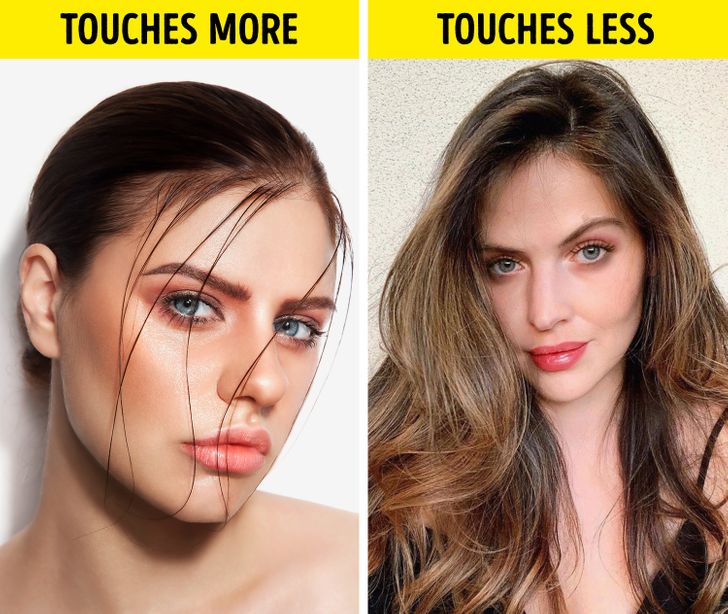
Accessories like hats and headbands (especially ones that aren’t washed frequently) can also cause greasier scenarios. We at TZR only include products that have been independently selected by our editors. We may receive a portion of sales if you purchase a product through a link in this article. With the right approach and consistency, you can achieve a balanced scalp and enjoy fresh, luscious locks longer. However, doing so transfers oil from my hands to my hair and as a result, makes my lengths all the more slick.
Improper Washing Technique
'Mind-blowing' reason why letting your hair dry naturally makes it greasier, according to expert - Wales Online
'Mind-blowing' reason why letting your hair dry naturally makes it greasier, according to expert.
Posted: Mon, 26 Jun 2023 07:00:00 GMT [source]
Every time you wash your hair with shampoo, your scalp gets a signal to produce more oils. Washing too frequently can cause your scalp to try and overcompensate for the loss of moisture and produce even more oil. Hormones impact pretty much everything in our bodies, including oil production.
Use the right hair products.
“For sensitive scalps, I recommend spraying the product onto a brush first and combing it through the hair, making sure you get to the roots,” says Paul. If you run out of conditioner faster than shampoo, you're doing it wrong. The smooth-maker in your shower should be used sparingly and on your ends only. Many of us with dry or coloured hair fall into the trap of applying it higher and higher in order to de-tangle until it's basically at our roots. But the higher you apply it, the faster your hair will become greasy.
The skin on your scalp deserves as much TLC as the skin on your face, so don’t be afraid to apply (the right) treatments at the roots of your hair. The Elements Purifying Pre-Shampoo Clay is formulated just for this, infused with kaolin clay to soak up excess sebum and rebalance an oily scalp. You only need to use it once per week, before shampoo, to see the purifying results.
Go dry
If you color your hair, choose a shampoo for color-treated hair; if you have dandruff, use a dandruff shampoo. Women may also notice a difference during pregnancy or menstruation. Your body may just be genetically more likely to make extra sebum than others. If your hair is already making extra oils, using an oil-based styling product isn’t the best idea.
You’re not washing your hairbrush
But if you are using one daily, it may be why your hair feels so greasy. Try switching to a gentle sulfate-free shampoo and observe the difference. Use lightweight and oil-free conditioners if your hair is particularly prone to greasiness. Washing your hair with hot water not only damages your hair but also in the long run contributes to the overproduction of oils. You should always wash your hair with cold water or at least room temperature water to protect your hair from damage.
Hyaluronic Acid Makes Hair Healthy, Shiny and Youthful — Here’s How to Use It
However, if you're slathering it on from roots to ends, this could be the reason behind your icky locks. The higher you apply it, the faster your hair will become greasy. It can also lead to product build up, which can lead to greasiness. By understanding greasiness, adjusting your washing routine, choosing suitable products, and adopting healthy habits, you can effectively control oil production.
It’s Time to Break the Bad Habits
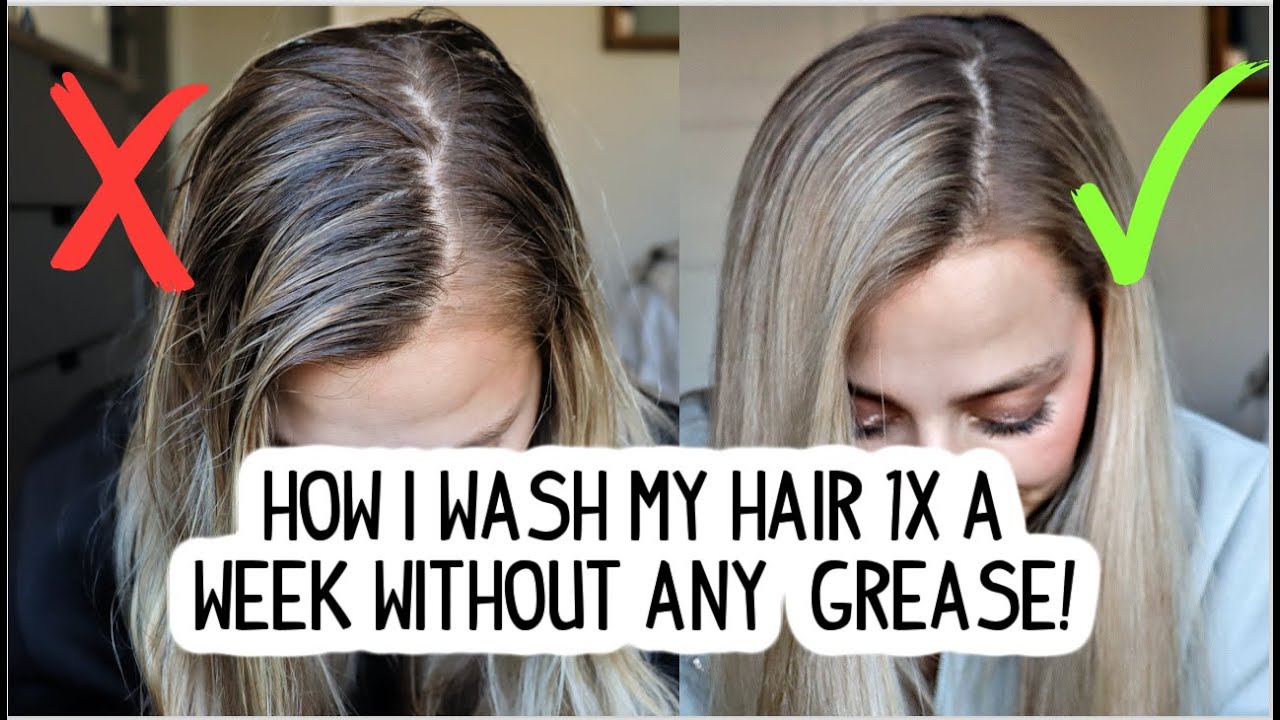
"They open what should be a closed hair cuticle, [then] water evaporates out and dryness follows. The oil glands don’t like that this is happening and kick into overdrive." You might think that you're doing your scalp a favor by scrubbing it regularly, but overwashing your hair can actually make it even greasier. When this happens, it starts to overproduce those natural oils, which leads to grease. To combat the issue, he suggests limiting washing your hair—even down to once or twice a week.
Your hair will get greasy so fast probably in a day or even overnight after washing hair. “Many people aren’t washing their hair the right way,” says Lauren Paglionico, hairstylist and founder of LRN Beauty. This tip might seem counterintuitive to the recommendation you brush more often, but it depends on where you are in your hair-wash schedule and the results you want to achieve. A good brushing routine can also help disperse the oils from the scalp throughout the rest of the strands, keeping those locks healthy-looking and shiny.
Your hair brushes, straighteners and curling iron could be making your hair look oilier, as these tools pick up and transfer product build-up (and other grime) whenever you style. For this reason, it’s important to clean them every two to three weeks. This doesn’t have to take long; in fact, quick, gentle washing will be better for your tools than a more intensive cleanse. For brushes, simply run them under the tap (if they’re wooden) or place them in a sink full of water (if they’re plastic), and use a drop of shampoo to delicately wash the bristles.



No comments:
Post a Comment